What to Do if You Encounter Wildlife Waste

Overview
Properly managing wildlife waste is essential for health, environmental protection, and community cleanliness. Key steps include assessing the situation, using appropriate tools, proper disposal, and disinfecting the area. Pet owners should train dogs to avoid wildlife waste and consider using professional pet waste removal services. Community involvement in wildlife conservation and cleanup efforts plays a crucial role in maintaining a healthy ecosystem.
Contents
When enjoying the great outdoors, it's not uncommon to come across signs of local wildlife. Whether it's droppings left behind by deer, raccoons, or squirrels, encountering wildlife waste is simply part of nature. However, knowing how to properly deal with wildlife waste can not only keep your outdoor space cleaner but also help protect the environment and local ecosystems. In this article, we will outline steps to take when you find wildlife waste and share tips on keeping your surroundings free from pet and wildlife-related messes.
Understanding the Importance of Proper Cleanup
Cleanup of wildlife waste is crucial for several reasons:
Health Safety: Wildlife feces can carry harmful bacteria and parasites that can affect pets and humans.
Environmental Impact: Left unattended, animal waste can lead to water pollution and affect local flora and fauna.
Community Wellbeing: Regular cleanup contributes to a cleaner habitat for everyone, making your neighborhood a more pleasant place to live.
As dog owners, we also need to ensure that our pets are safely managed in outdoor spaces. Utilizing a dog poop scooping service can help manage household pet waste responsibly, especially if combined with environmental care for wildlife waste in community areas.
Steps to Take When Encountering Wildlife Waste
Encountering wildlife waste is usually surprising, but responding appropriately can mitigate any potential issues. Here are some essential steps to follow:
1. Assess the Situation
Before approaching the waste, try to identify which animal it came from. Different types of waste can indicate various animals, and understanding this can impact how you handle the situation. For example, while deer droppings may not pose significant hazards, raccoon waste may contain parasites that are harmful to pets.
2. Equip Yourself with the Right Tools
If you’re dealing with dog waste or other pet-related messes, consider having a reliable poop cleanup schedule and necessary tools on hand. These could include:
Disposable gloves
Biodegradable waste bags
A shovel or scoop for larger amounts
A container for safe disposal
While you might not need all of the same tools for wildlife waste, having gloves is a must for sanitation reasons.
3. Properly Dispose of the Waste
Wildlife waste should be bagged and disposed of correctly. If you're close to a wooded area, you may be able to bury small amounts of waste, ensuring it's deep enough that other animals won’t dig it up. However, it's essential to check local regulations regarding this.
In urban settings or areas with high foot traffic, place the waste in a suitable garbage receptacle. Following these disposal methods can help minimize health hazards and environmental impact, keeping areas clean and safe.
4. Disinfect the Area
Once the waste is cleared, it’s wise to disinfect the site, especially if you’re in a location frequently visited by humans or pets. Using a safe, organic disinfectant can help remove lingering bacteria, further enhancing cleanliness.
Combining Pet and Wildlife Waste Cleanup
Managing both pet waste and wildlife scat can be challenging. This is where residential pet waste removal Calgary steps in as a viable solution for pet owners, especially if they are unable to keep up with regular cleanups. Employing a professional dog poop scooping service can relieve a lot of stress, allowing you to enjoy your outdoor areas while maintaining cleanliness.
Impact of Waste on Wildlife
Understanding how waste cleanup affects local wildlife is crucial for any pet owner. In an insightful post titled How Poop Cleanup Affects Local Wildlife, you can learn more about this interrelationship. Here are some key points regarding the environment:
Animal waste can introduce non-native bacteria and nutrients into the ecosystem, disrupting local habitats.
While beneficial in some amounts, excessive waste leads to nutrient pollution in nearby waterways, harming aquatic life.
Keeping wildlife waste to a minimum also prevents attracting scavengers to residential areas, contributing to a safer community.
How to Train Your Dog to Avoid Wildlife Waste
As responsible pet owners, we can help minimize our dog’s impact on wildlife by training them to respect their natural environment. Here are some helpful tips:
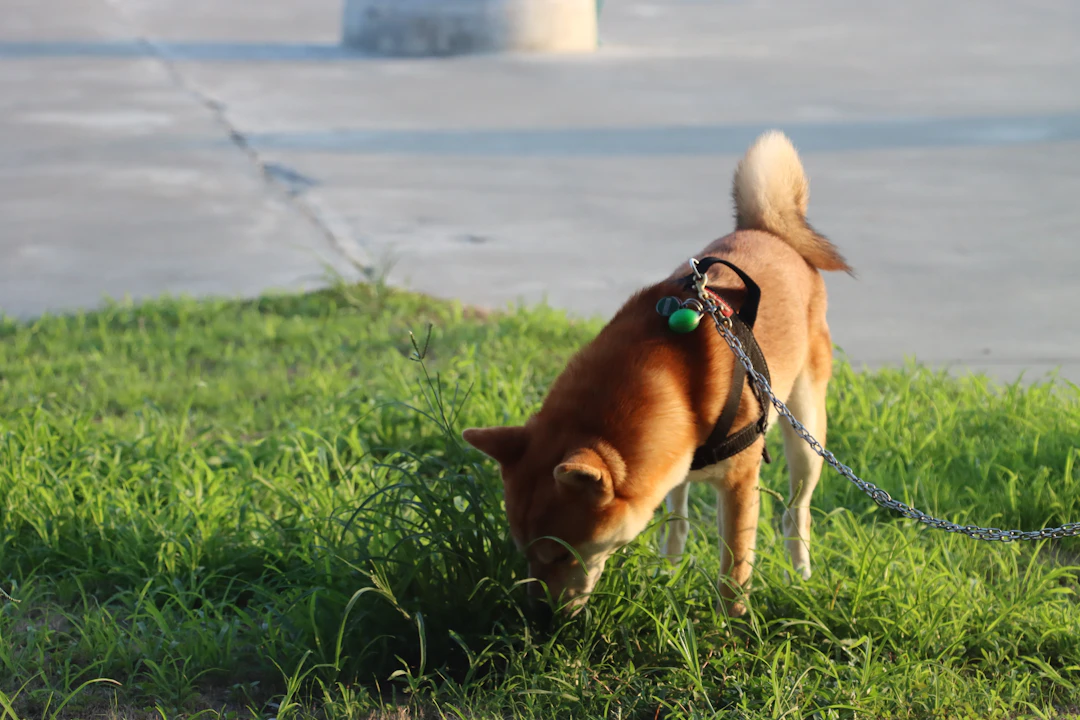
Teach the "Leave It" Command: This command can prevent your dog from sniffing or approaching wildlife waste.
Exercise Them Off-Leash Safely: When allowing your dog off-leash, choose locations free of wildlife waste to limit exposure.
Consistency is Key: Regularly reinforce training to ensure your dog understands the boundaries regarding wildlife.
Partnering with Wildlife Conservation Efforts
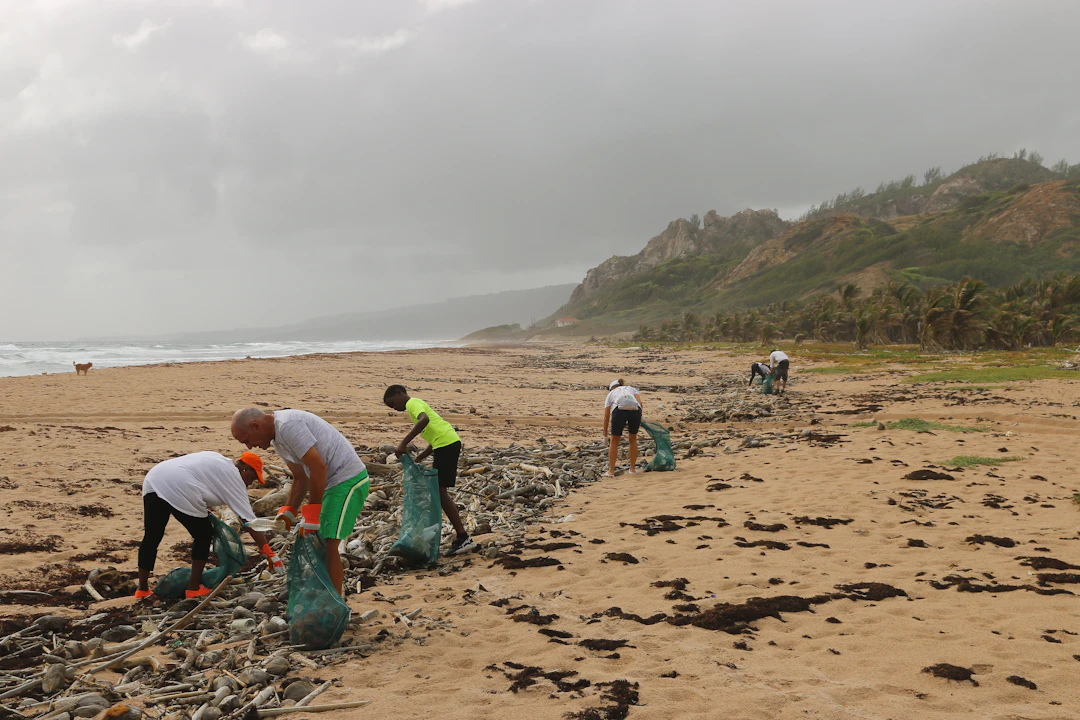
As a responsible pet owner, consider getting involved in local wildlife conservation efforts. Participate in local cleanup events or wildlife-friendly practices that help protect the environment and keep a lookout for wildlife waste. This proactive approach can foster a positive relationship between pets and nature, promoting coexistence.
The Role of Community in Wildlife Waste Management
Finally, keeping our communities clean requires collective efforts. Everyone has a responsibility to manage the waste of not only their pets but also to be mindful of wildlife waste. By promoting proper cleaning habits, you contribute to a cleaner, healthier environment. You can learn more about the community's role in this essential effort in the blog post Poop Cleanup As A Community Effort.
In essence, knowing how to deal with wildlife waste involves understanding the environmental impact, being equipped with the right tools, and fostering a community mindset. Whether through hiring a professional like a pooper scooper Calgary service to manage your dog’s waste or actively participating in wildlife cleanup initiatives, every action contributes to a healthier ecosystem.
Exploring various sustainable solutions for both pet waste and wildlife waste not only enhances the quality of our environment but also promotes responsible pet ownership. Embrace the power of knowledge, community, and action – together, we can create a cleaner and healthier world.
FAQs
What should I do if I encounter wildlife waste while outdoors?
If you encounter wildlife waste, assess the situation to identify the animal, equip yourself with disposable gloves and waste bags, properly dispose of the waste, and disinfect the area.
Why is it important to clean up wildlife waste?
Cleaning up wildlife waste is crucial for health safety, environmental protection, and community wellbeing, as it helps prevent bacteria and parasites from affecting humans and pets, and minimizes pollution.
How can I properly dispose of wildlife waste?
Wildlife waste should be bagged and disposed of according to local regulations. In wooded areas, you may be able to bury it, while in urban settings, it should go in a suitable garbage receptacle.
How can pet owners manage both pet waste and wildlife waste?
Pet owners can manage both types of waste by employing professional dog poop scooping services and by staying vigilant about cleaning up wildlife waste in their communities.
What role does the community play in wildlife waste management?
The community plays a vital role by promoting proper cleaning habits and participating in local cleanup events, ensuring a cleaner and healthier environment for everyone.
Comments